
Los Altos Previous Residents by Era
A backward address trail works best when each source is assigned the years and question it can actually answer. Santa Clara County deeds reach far earlier than the city, but they show title parties rather than every person who slept at an address. The Los Altos History Museum, library, census, Town Crier, maps, and permit files add the household layer. The coverage map below keeps those roles separate and makes a missing record easier to explain.
| Source | Years It Covers | Where Held | What It Shows |
|---|---|---|---|
| Santa Clara County Recorder | 1850-present | 1981-present at office workstations; 1850-1980 in Digital Reel, books, or microfilm | Grantor, grantee, instrument, legal description, and title chain |
| Assessor property file | Current web record; limited recent history noted | County web search and public office access | APN, values, exemptions, districts, and latest title-changing instrument |
| Los Altos permits | Municipal era after 1952 | eTRAKiT, Building Division, or CPRA request | Work, dates, applicants, contractors, and inspections when public |
| Sanborn maps | 1926 and 1932 update | Historic map repositories | Building footprint and use inside the mapped town area |
| Federal census | Through 1950 | NARA and library databases | Households at the census address under the 72-year rule |
| Town Crier | 1948-current, with an unspecified gap | History Museum, library, and newspaper site | Obituaries, moves, clubs, marriages, and property news |
| Directories and telephone books | Exact Los Altos runs unverified | Library, Museum, and Library of Congress collection | Name, street address, and phone details when a volume carries them |
Use the latest deed and APN for ownership. Use census, directories, and Town Crier material for occupants and families. Pre-incorporation parcels need county and local-history sources before city permits.
Los Altos Deeds Behind Past Owners
The Santa Clara County Clerk-Recorder official records page says the Official Record Index has had no public online index since November 5, 2018. Records still span 1850 to the present, but the search is at the office: public workstations cover 1981 forward, while Digital Reel, books, or microfilm cover 1850-1980. A web stop at 2018 does not prove an older Los Altos deed is missing.
Search modes are Document Number, Document Date, Document Class, APN, Grantor only, Grantee only, and Grantor/Grantee. Addresses are not indexed, and staff do not conduct title searches. Older indexes use a party name or document number with a year. Busy workstations may allow one hour, so arriving early is the useful insider tip. That distinction is a key fact when tracing previous residents.
Copies require an instrument or document number, or book and page for records before May 1, 1995. The county fee schedule states $4 for the first page, $2 for each additional page, and $2 certification per document. Known-number copies can be ordered in person or by mail. Paid data products use document numbers and do not create an address search.
Trace Los Altos Previous Residents Backward
Deed research is a chain, not a single name lookup. The assessor supplies a parcel key and recent instrument; the Recorder supplies parties and legal description. Because the web result suppresses owners, an assessee name may require county public access. Keep title and occupant trails separate, then link them with dates and independent sources.
- Validate the physical situs in assessor Advanced Search. Record APN, latest document number and type, transfer date, physical city, values, exemptions, and districts.
- Use county public access for an owner or assessee name. A tax mailing address, Homeowner's Exemption, or tax-default field does not prove current residence.
- At the Recorder, open the latest title instrument and copy grantor, grantee, recording date, instrument number, and legal description.
- Search the seller as an earlier grantee. Check trusts, married names, initials, spelling variants, and partial interests at each step.
- Continue through the 1981 boundary, then use Digital Reel, books, or microfilm for 1850-1980. Do not search the address.
- Build an ownership interval for each deed and compare it with permits, directories, census, and Town Crier notices.
- If an estate or trust interrupts the chain, use the Santa Clara Superior Court search by person and case. Treat a proposed heir as a filing fact until an order or later deed confirms transfer.
- Grantor
- The party who gives, sells, or transfers an interest in the instrument.
- Grantee
- The party who receives the interest. In a purchase deed, the grantee is commonly the buyer.
- Chain of title
- The linked sequence of recorded transfers that ties one title holder to an earlier holder.
- Legal description
- The formal parcel description used in the deed. It can hold the trail when a street name or number changes.
Los Altos Address Records and APNs
The address-to-deed bridge is physical situs, APN, and legal description. The Santa Clara County Real Property Search asks for physical city and accepts an APN with or without dashes. The APN points to the parcel and latest instrument. The legal description anchors it across a name change, subdivision, or merger. APNs can change after a split, so keep old and new numbers.
Mailing city and situs city differ. ZIP 94022 reaches parts of Los Altos Hills and areas outside the city; 94024 reaches parts of Los Altos Hills and Loyola. Check the address in the USPS ZIP lookup, then compare assessor city and Los Altos GIS. No universal street-renumbering year was verified, so a plat, APN, and legal description beat a guessed number match.
Address bridge: USPS confirms delivery, GIS confirms jurisdiction, the assessor resolves address to APN, and the Recorder confirms title through the legal description. None of those steps alone identifies every person who lived there, so use the bridge as a starting point for previous residents.
The Los Altos Pre-1952 Records Split
Los Altos incorporated on December 1, 1952. Santa Clara County deeds, assessments, and court records therefore precede the city government by about a century. A house built in the orchard and rail era may have a county title trail but no city permit file. After incorporation, city Building, Planning, Code Enforcement, and Police records become possible local sources. The date split is a records fact, not evidence that an older file was destroyed.
For a post-1952 project, Los Altos eTRAKiT handles selected permits, projects, payments, and inspections. Current plans are electronic. A permit before February 11, 2019 uses project number plus submission year for inspection scheduling. Historic plans or permit histories outside the dashboard can be requested through the city's California Public Records Act route, in person, by phone, or in writing.
Missing Los Altos Permit Records
A Los Altos historic evaluation describes pre-incorporation rural construction as a limbo between county Clerk-Recorder and Assessor files and later city Building records. Owners and lay builders could add work in stages, and a city search may return no permit for a change that still happened. The missing-permit story is useful because it prevents a blank dashboard from becoming a false construction date.
Ask for an identifiable record: address, date range, permit or project number, plan type, inspection record, or code case. The city need not create a list or answer a research question. CPRA calls for a determination within 10 calendar days and allows a written extension of up to 14 days for unusual circumstances. A parcel outside city limits may need another custodian.
The Museum research library and archive can supply orchard-era photographs and local compilations by appointment. A no-record response in a city request log marks the municipal limit, not the end of the address story.
Los Altos Sanborn Records Boundary Gap
Sanborn sheets confirmed for Los Altos include a 1926 set and a 1932 update. They can show a mapped building footprint and use, but the mapped town footprint did not include all rural fringe. A blank spot outside that footprint does not prove that a structure or family was absent. Use the map as a check on a deed, census, or photograph, not as a complete address roll when tracing previous residents.
Subdivision history helps explain the mismatch. Los Altos Park was subdivided in December 1925. The Loyola Tract dates to 1904, and Loyola Corners was subdivided in 1926. A parcel near one of those areas may move from a tract or rural description into a later street address. Compare the Sanborn sheet with the legal description, a subdivision plat, the nearest census, and local newspaper material before calling a structure new.
Los Altos Households in Directories and Census
Household research needs a different trail from title work. The Los Altos Library holds local-history books, DVDs, yearbooks, vertical files, and genealogy databases. The History Museum is the verified long-run Town Crier repository. Exact annual Polk or Haines runs were not verified, so name the volume and shelf rather than imply a full set. A telephone book may show subscriber, street, and phone; a reverse volume may begin with street and number.
The Los Altos city directory collections sort those formats. The Library of Congress telephone-directory collection can add a digitized lead, but the exact Los Altos reel needs inspection. Select the year nearest a deed or permit, check adjacent editions, and pair the address with the 1940 or 1950 census. The census is public through 1950 under the 72-year rule. A missing entry may reflect omission, a gap, sparse telephone service, or a changed address, so do not turn a directory claim about previous residents into a certainty.
Town Crier notices bridge gaps with obituaries, marriages, club items, school notes, moves, or property reports. Compare each date and address with the deed interval and census, preserving uncertainty around initials or common surnames.
Los Altos Probate and Town Crier Records
The Town Crier guide describes 1948-forward coverage with an unspecified gap. The library keeps the current month plus 11 prior months, the newspaper site covers 1995-current, and the Museum provides historic access. Obituaries point to relatives and a next place but remain newspaper evidence. Probate petitions, notices, and distribution deeds add an heir path for previous residents. A proposed heir is not a confirmed distributee, and a court hit does not prove a current address.
For a Los Altos estate or property matter in federal court, PACER federal docket access is separate from Santa Clara Superior Court. It is not a local resident index, but it prevents a federal filing from being mistaken for a county deed or probate record.
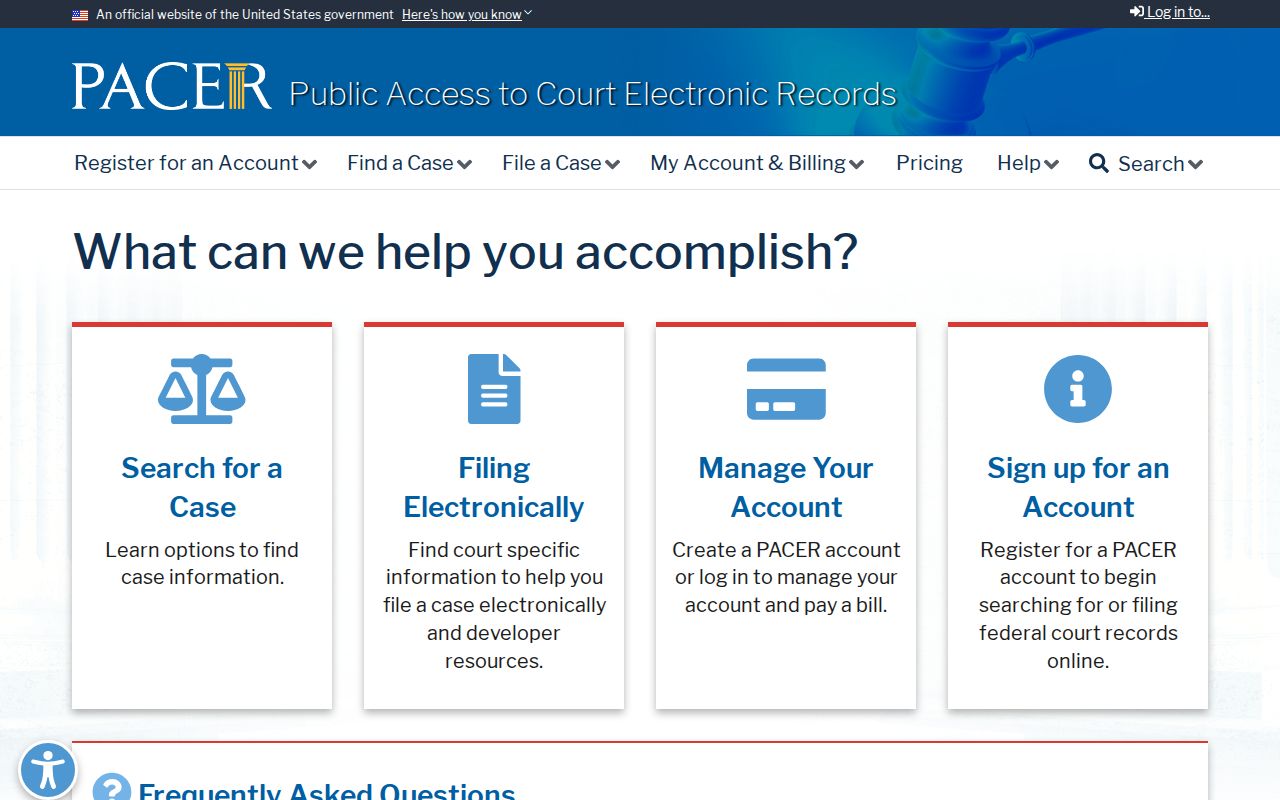
The PACER route illustrates a useful boundary: a docket can document a case, party role, or filing date, while the address trail still needs a deed, probate file, census, or local-history source. Use each record for the fact it was built to preserve.
Lawful Los Altos Past-Resident History
Previous-resident research has sound uses in genealogy, family history, estate work, preservation, and a careful effort to verify a public filing. Research into previous residents should not become a published list of living people or a way to follow someone who has left an address. California Penal Code section 646.9 addresses stalking, section 653.2 addresses electronic publication intended to cause unwanted contact or injury, and Code of Civil Procedure section 527.6 covers civil harassment orders.
Lawful use. Keep a Los Altos address history tied to a lawful personal purpose, cite the record and date, and avoid sharing sensitive details about living people. A deed proves a recorded interest, not a present occupant, so do not use a gap or a name match as permission to watch, contact, or intimidate anyone.